
Logistics & Transport
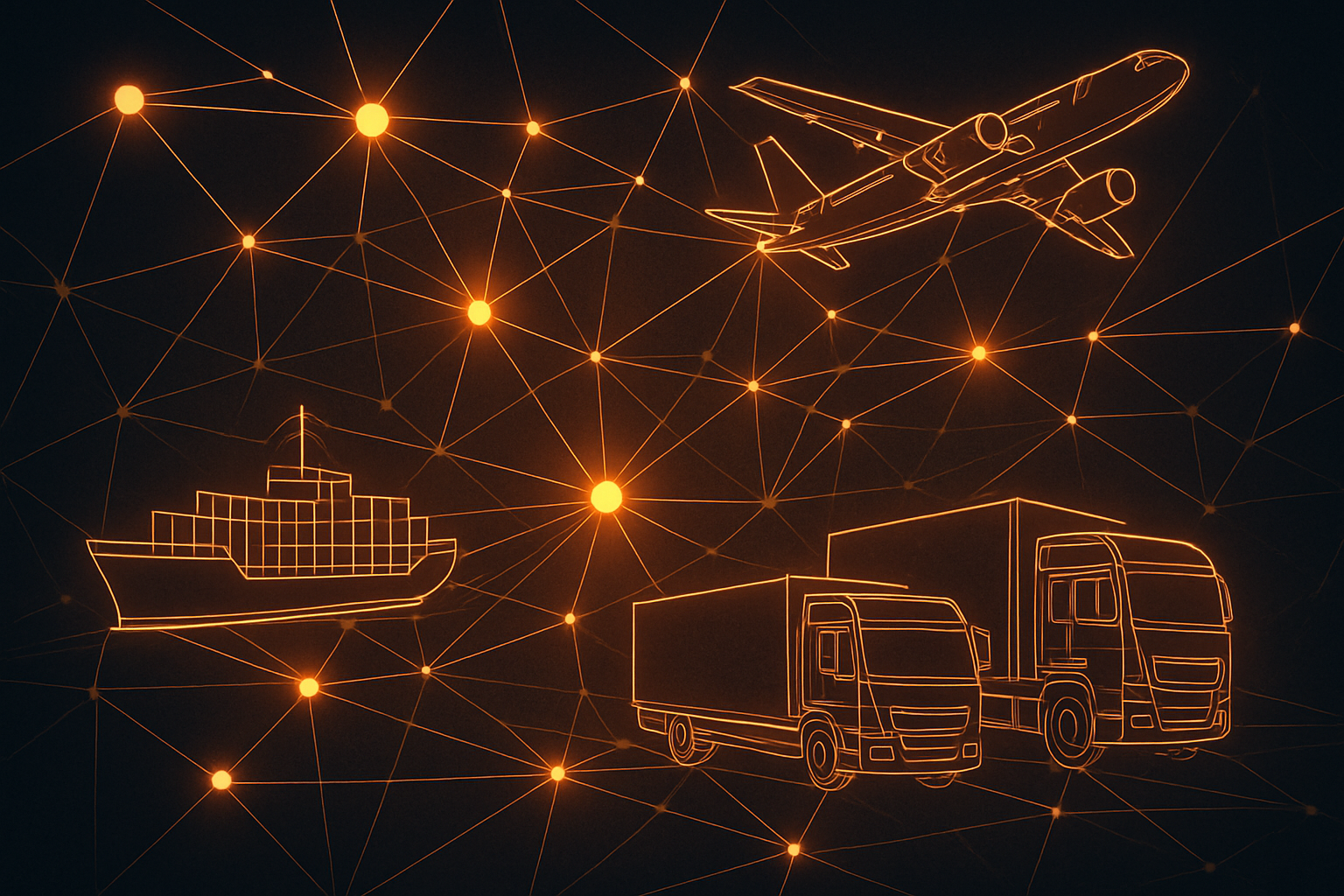
Strategic technology partner for supply chain, freight forwarding, customs and logistics operators. End-to-end platform integration that transforms fragmented operations into governed, observable systems.
Sector challenges
The problems we know well
These are the challenges we repeatedly encounter in this sector. We have solved them before and we know how to solve them for you.
Fragmented systems
TMS, WMS, ERP and carrier platforms operate in silos. Data is manually copied between systems, creating errors and delays on every shipment.
Limited in-transit visibility
The customer calls to ask where their shipment is. The operations team searches three different systems. ETAs are estimates, not predictions.
Manual customs documentation
Every customs declaration, CMR and packing list is prepared by hand. A single tariff code error can mean holds, fines and deliveries delayed by weeks.
Opaque logistics costs
Without automated rate comparison across carriers, assignment decisions are made by inertia. Overcharges are discovered at invoicing, not at planning.
Our solutions
How we solve it
Proprietary platforms and custom development combined to address the specific challenges of your sector.
abemonTRANSPORT
End-to-end supply chain platform: fleet management, AI routing, warehouse intelligence and real-time tracking in a single system.
abemonCUSTOMS
Customs compliance automation: AI tariff classification, automated DUA/T1/T2 generation and duty and IPSI calculation.
abemonFLOW
Governed execution layer that connects all logistics systems into a single observable and controllable flow.
Results that speak for themselves
35%
Average logistics cost reduction
5x
Operational capacity increase
99%
SLA compliance
60%
Less manual documentation
Logistics that works as a system, not a patchwork
The transport and logistics industry operates in an environment of maximum complexity: multiple actors, changing regulations, tight time windows and margins that don’t forgive errors. Yet most logistics operators still manage their day-to-day with disconnected tools, spreadsheets and email communications that nobody can trace.
The result is predictable: shipments delayed because someone didn’t update a record, freight lost between systems, customs documentation with errors that generate border holds, and an operations team that spends more time firefighting than optimizing processes.
What we observe in the sector
After working with freight forwarders, multimodal transport operators, logistics platforms and customs agents across Spain, we identify patterns that repeat:
Systems don’t talk to each other. The TMS says one thing, the WMS another, and the client’s ERP a third. Manual reconciliation consumes hours that should be spent resolving real exceptions.
Customs documentation is a critical bottleneck. Every misclassified declaration, every incomplete transit document, every missing certificate of origin can paralyze an entire shipment. And preparation is still overwhelmingly manual.
Tracking is reactive, not proactive. Customers call to find out where their goods are. The customer service team becomes a localization call center instead of a service center.
Cost decisions are made without data. Carrier assignment is based on historical relationships, not real-time cost-service comparisons. Overcharges are discovered when it’s already too late.
Our approach
We don’t sell another tool to add to the stack. We build the operating system that connects all the pieces. Three proprietary platforms (abemonTRANSPORT, abemonCUSTOMS, abemonFLOW) deployed modularly according to each operator’s needs.
The result: teams that multiply their capacity without increasing headcount, SLAs that are consistently met, and end-to-end visibility that transforms logistics from a cost center into a competitive advantage.
Clients
Results in real systems
Real cases in this sector. Verifiable metrics.
"Pasamos de preparar documentacion manualmente durante horas a que el sistema la genere en minutos. Mismo equipo, cinco veces mas capacidad. No sabiamos que era posible."
Antonio Reyes
Director de Operaciones, Cabo Express, Cabo Express
"Operamos en uno de los regimenes aduaneros mas complejos de Europa. Antes, cada despacho era una batalla contra el reloj y el papeleo. Ahora el sistema prepara la documentacion antes de que el buque llegue a puerto. Hemos pasado de sobrevivir a competir."
Fernando Delgado
Director General, Puerto Logistica Canaria, Puerto Logistica Canaria
Insights
Industry Insights
A practical guide to logistics automation with AI
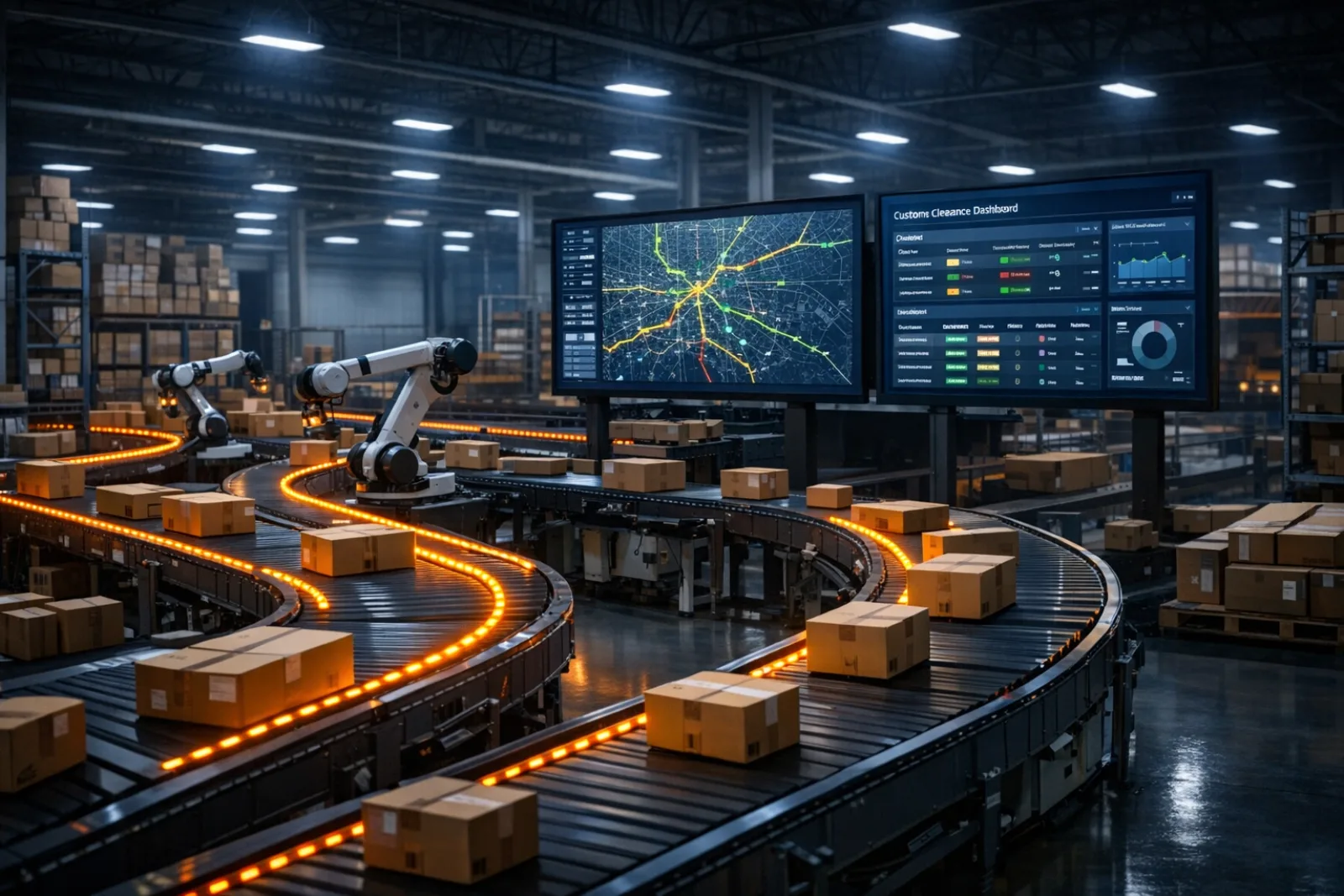
A comprehensive guide to automating logistics operations with artificial intelligence. From customs documentation to route optimization and warehouse management.

Smart warehouses: cloud-native WMS for Spanish logistics
Cloud-native WMS platforms are replacing legacy solutions in logistics. Real-time inventory, AI-optimized picking, and the TMS integration that was missing.

IGIC + AIEM 2026: Canary Islands Tax Compliance Checklist
14 new TARIC codes, mandatory e-filing from Nov 2025, and revised digital product rates. The Q4 2025 changes explained and what Canary Islands operators must do now.
Tell us about your tech challenge
30 minutes. No commitment. We diagnose your current situation and propose a concrete action plan.
Request a logistics assessment